
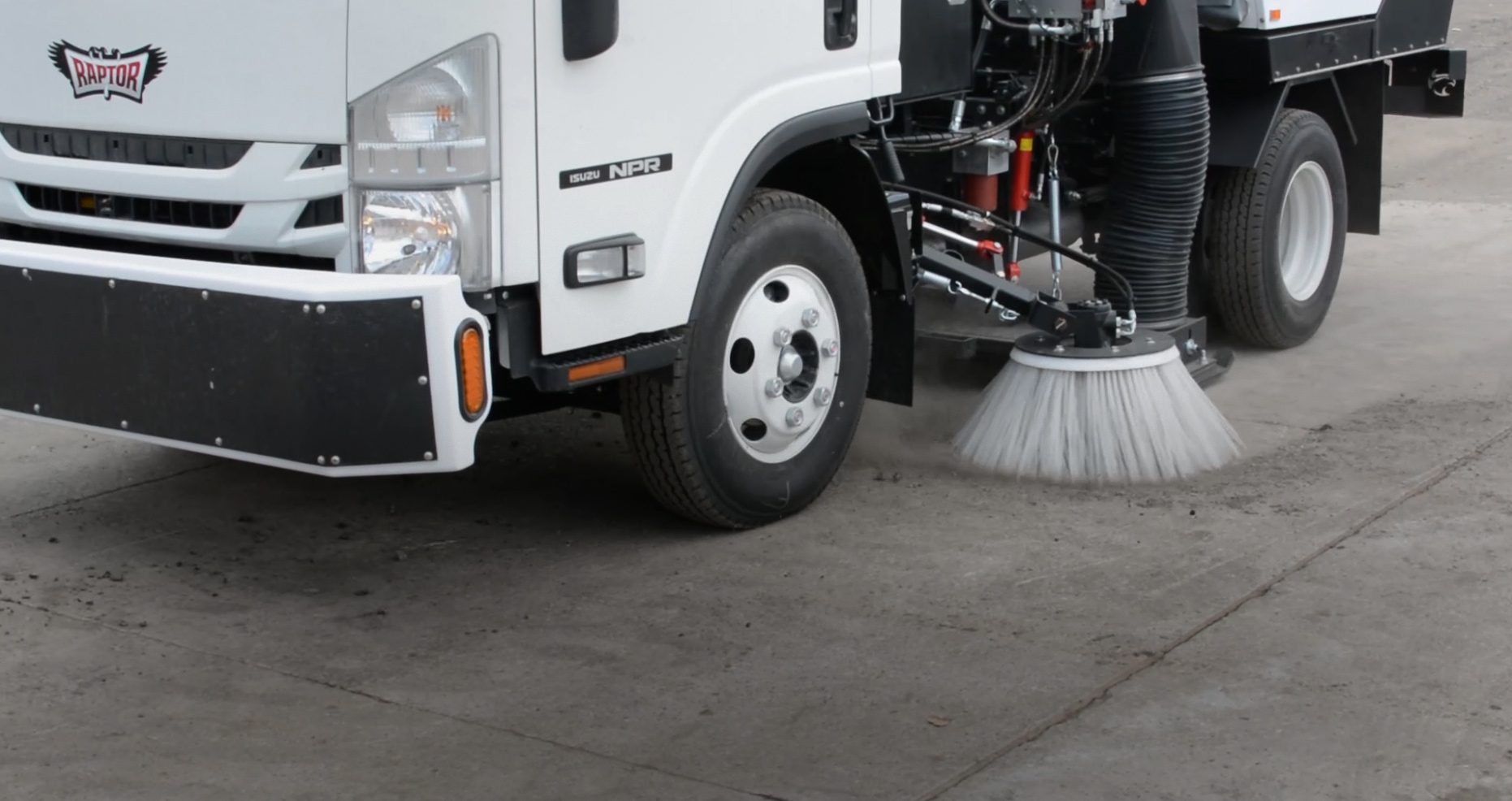
More Than Clean Pavement: Why Regular Sweeping Is One of the Smartest Investments You Can Make
When people think about sweeping, they usually think about appearances.
A clean parking lot. A debris-free street. An inviting entrance.
While those benefits are important, they’re only the beginning. Routine sweeping is one of the most cost-effective maintenance practices available because it protects infrastructure, improves safety, supports environmental compliance, and helps create a positive first impression before a customer ever walks through the door.
Whether you’re managing a shopping center, municipality, industrial facility, university campus, or commercial property, sweeping delivers measurable value every day.
First Impressions Matter More Than You Think
Customers begin forming opinions about your business long before they enter the building.
The condition of your parking lot, sidewalks, and surrounding pavement communicates how seriously you take your property. Clean, well-maintained grounds suggest professionalism, attention to detail, and pride of ownership. Conversely, overflowing debris, litter, leaves, and dirt can signal neglect—even if the inside of your facility is spotless.
Studies have consistently shown that cleanliness plays a major role in where customers choose to shop and do business. A clean exterior creates confidence and encourages visitors to return.
Sweeping Protects Your Investment
Parking lots, roadways, and paved surfaces represent a significant financial investment.
Dust, sand, gravel, leaves, and organic debris don’t simply sit on the surface—they act like sandpaper under vehicle traffic, gradually wearing away pavement and shortening the life of asphalt, striping, and sealcoat.
When dirt accumulates, it also creates ideal conditions for weeds and vegetation to grow through small cracks. Over time, roots expand those cracks, accelerating pavement deterioration and leading to costly repairs.
Routine sweeping removes abrasive materials before they can cause damage, helping extend the life of your pavement and reducing long-term maintenance costs.
Cleaner Properties Are Safer Properties
A clean property is also a safer one.
Loose debris, litter, broken glass, and other objects can create hazards for pedestrians and vehicles alike. Regular sweeping reduces slip-and-fall risks, removes debris that could damage tires, and helps eliminate conditions that may contribute to accidents or liability claims.
Maintaining clean pavement isn’t simply about appearance—it’s an important part of responsible facility management.
Sweeping Supports Stormwater Quality
Every rainstorm carries pollutants from pavement into nearby storm drains, streams, rivers, and lakes.
Dust, heavy metals, oils, plastics, sediment, and trash are all transported through stormwater runoff if they’re allowed to accumulate.
Routine sweeping is recognized as an effective Best Management Practice (BMP) for reducing pollutants before they enter the stormwater system. By removing debris at the source, property owners and municipalities can help improve water quality while supporting environmental compliance initiatives.
Different Properties. One Essential Maintenance Practice.
The need for sweeping extends far beyond parking lots.
Professional sweeping helps maintain:
-
Municipal streets and neighborhoods
-
Commercial parking lots
-
Retail centers
-
Industrial facilities
-
Distribution centers
-
Manufacturing plants
-
Airports
-
Universities and schools
-
Hospitals and healthcare campuses
-
HOAs and residential communities
-
Construction sites
-
Special events and public spaces
Each environment presents unique challenges, but the goals remain the same: cleaner surfaces, safer conditions, better asset protection, and a stronger public image.
A Cleaner Property Encourages Cleaner Behavior
Interestingly, people tend to litter less when an area is already clean.
A consistently maintained property encourages visitors to treat the space with greater respect, helping reduce future cleanup needs while reinforcing a positive perception of your business or community.
Sweeping Is an Investment—Not an Expense
It’s easy to think of sweeping as another maintenance cost.
In reality, regular sweeping helps reduce far more expensive problems:
-
Premature pavement replacement
-
Stormwater maintenance costs
-
Liability claims
-
Tire damage from debris
-
Weed and vegetation growth
-
Poor customer perception
-
Reduced property value